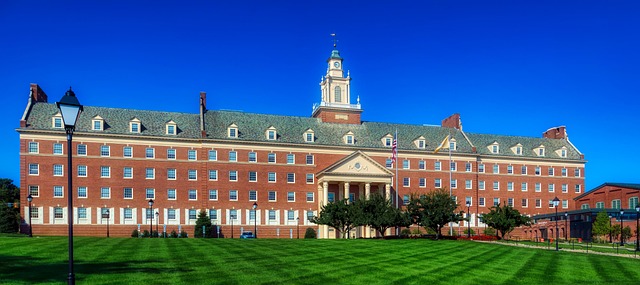
Residential Treatment Centers in Paramus, New Jersey: A Comprehensive Overview
Introduction
In the heart of New Jersey lies a vibrant community known as Paramus, which has emerged as a significant hub for residential treatment centers. These specialized facilities offer comprehensive support and therapy to individuals facing various personal challenges, focusing on holistic healing and recovery. This article aims to delve into the world of residential treatment in Paramus, exploring its history, impact, and future potential. By examining the core components, global reach, economic implications, technological innovations, regulatory framework, and emerging trends, we will provide an extensive guide to understanding this vital aspect of healthcare.
Understanding Residential Treatment Centers in Paramus, New Jersey
Definition and Core Components
Residential Treatment Centers (RTCs) in Paramus are specialized facilities that provide intensive, long-term therapy and support for individuals dealing with mental health disorders, substance abuse, trauma, or other personal challenges. These centers offer a range of services, including individual and group therapy sessions, counseling, education, skills training, and recreational activities aimed at fostering recovery and personal growth. The core components typically include:
- Intensive Therapy:RTCs provide around-the-clock care and support, offering various therapeutic approaches such as cognitive-behavioral therapy (CBT), dialectical behavior therapy (DBT), and motivational interviewing.
- Structured Environment:A structured daily schedule is implemented to promote consistency, discipline, and a sense of routine, aiding in the recovery process.
- Individualized Treatment Plans:Every resident receives a personalized treatment plan tailored to their unique needs, goals, and challenges.
- Supportive Community:The centers foster a supportive community among residents, encouraging peer support and camaraderie throughout the healing journey.
Historical Context and Significance
Residential treatment has evolved over the past century, starting with asylums and institutions for the mentally ill. In the 1970s, a shift towards community-based care led to the development of RTCs, offering more personalized and intensive treatments. Paramus, with its thriving mental health community, became an ideal location for these centers due to its access to specialized professionals, advanced treatment methodologies, and supportive local infrastructure.
The significance of RTCs in Paramus lies in their ability to provide intensive, long-term care, which is crucial for complex cases that require sustained support. These centers offer a holistic approach, addressing not only the primary diagnosis but also co-occurring disorders, ensuring comprehensive recovery.
Global Impact and Trends
International Influence
The concept of residential treatment has spread globally, with countries adopting various models to address mental health needs. Paramus-style RTCs have gained international recognition for their innovative approaches and successful outcomes. Many countries have adapted these models, incorporating local cultural nuances while maintaining the core principles of intensive care and holistic healing.
Key Trends Shaping Residential Treatment
- Integrated Care:A growing trend is the integration of primary care with mental health services, ensuring that residents receive comprehensive treatment for both physical and psychological needs.
- Telehealth and Digital Tools:The adoption of technology has enabled remote therapy sessions, online counseling, and digital platforms for monitoring progress, making residential treatment more accessible worldwide.
- Personalized Medicine:There is a growing emphasis on individualized treatment plans, tailored to each resident's unique genetic makeup, lifestyle, and cultural background.
- Community Engagement:RTCs are increasingly collaborating with local communities, schools, and businesses to promote awareness, reduce stigma, and facilitate reintegration into society.
Regional Differences
The implementation of residential treatment centers varies across regions, influenced by cultural, economic, and social factors:
- North America:Known for its advanced mental health infrastructure, North America has a robust network of RTCs, with Paramus being a notable example. These centers often emphasize evidence-based practices and technology integration.
- Europe:European countries have a range of residential treatment options, from specialized clinics to community-based centers. The focus is on integrated care and cultural sensitivity.
- Asia:Rapidly growing cities in Asia are witnessing an increase in RTCs, adopting modern therapeutic approaches while incorporating traditional healing practices.
- Emerging Markets:Countries with emerging economies are exploring partnerships with international organizations to develop evidence-based residential treatment programs.
Economic Considerations
Market Dynamics
The global residential treatment market is experiencing steady growth due to rising mental health awareness and increasing demand for specialized care. According to a 2022 report, the global RTC market size was valued at USD 35.6 billion in 2021 and is expected to grow at a CAGR of 7.8% from 2022 to 2030. Paramus, with its established reputation, contributes significantly to this market, attracting both local and international clients.
Investment Patterns
Private equity firms and healthcare investors have shown a keen interest in RTCs due to their high-impact potential and steady revenue streams. Many centers are funded through a combination of private investments, government grants, and insurance reimbursements. The economic impact of these facilities extends beyond direct revenues, creating local jobs, stimulating the economy, and improving overall community well-being.
Economic Impact on Paramus
RTCs in Paramus contribute to the local economy in several ways:
- Job Creation:These centers employ a diverse range of professionals, including therapists, counselors, nurses, administrators, and support staff, contributing to the town's employment rate.
- Business Development:The presence of RTCs attracts related businesses, such as healthcare suppliers, restaurants, and recreational facilities, fostering economic growth.
- Tourism and Awareness:Paramus' reputation as a mental health hub attracts visitors interested in learning about treatment options, boosting local tourism.
Technological Advancements
Digital Transformation
Technology has revolutionized residential treatment centers, enhancing patient care, improving communication, and expanding access to services:
- Electronic Health Records (EHRs):Digital record-keeping systems streamline information sharing between healthcare providers, ensuring continuity of care and enabling data analysis for research.
- Telehealth:Video conferencing allows remote therapy sessions, making treatment accessible to individuals in remote areas or with limited mobility.
- Mobile Apps:Customized apps can monitor progress, provide educational resources, and facilitate communication between residents, therapists, and parents/caregivers.
- Wearable Devices:Fitness trackers and health monitoring devices offer real-time data on physical activity, sleep patterns, and vital signs, aiding in treatment planning.
Impact on Treatment Outcomes
Technological advancements have shown significant positive outcomes:
- Improved Access:Telehealth expands treatment reach, benefiting individuals who face barriers to accessing traditional care.
- Personalized Care:Digital tools enable personalized treatment plans, tracking progress, and making adjustments as needed.
- Enhanced Communication:EHRs facilitate efficient information sharing among healthcare providers, ensuring coordinated care.
- Data Analysis:Advanced analytics can identify trends, improve treatment protocols, and contribute to research, leading to better outcomes.
Future Potential
The future of residential treatment technology holds immense promise:
- Artificial Intelligence (AI):AI-powered chatbots and virtual therapists could provide initial assessments and support, reducing wait times and increasing accessibility.
- Augmented Reality (AR) and Virtual Reality (VR):These technologies offer immersive therapeutic experiences for various conditions, from phobia exposure therapy to social skills training.
- Blockchain for Data Security:Blockchain technology ensures secure data storage and sharing, protecting patient privacy and enabling seamless information transfer between providers.
Policy and Regulation
Key Policies and Regulatory Frameworks
Residential treatment centers in Paramus operate within a stringent regulatory environment to ensure quality care and patient safety:
- Licensing and Certification:Facilities must obtain licenses from state authorities, adhering to specific criteria regarding staff qualifications, facility standards, and treatment protocols.
- Insurance Regulations:RTCs are subject to insurance regulations, including coverage for therapy services, medication management, and malpractice liability.
- Data Privacy Laws:Compliance with laws like HIPAA (Health Insurance Portability and Accountability Act) is mandatory to protect patient records and ensure data privacy.
- Substance Abuse and Mental Health Services Administration (SAMHSA):National guidelines and standards are set by SAMHSA, providing a framework for evidence-based practice and quality assurance.
Influence on Development and Practices
The regulatory environment plays a crucial role in shaping the development and practices within RTCs:
- Quality Assurance:Stringent regulations encourage facilities to maintain high standards of care, ensuring resident safety and well-being.
- Research and Innovation:Regulatory bodies promote evidence-based practices, encouraging centers to stay updated with the latest research and therapeutic approaches.
- Accountability:Licensing and certification ensure accountability, providing a mechanism for addressing complaints and maintaining trust in the industry.
- Collaboration:Regulators often collaborate with healthcare organizations to develop best practices, fostering a culture of continuous improvement.
Challenges and Criticisms
Main Challenges Faced by RTCs
Despite their proven benefits, residential treatment centers in Paramus encounter several challenges:
- Stigma and Perception:Social stigma associated with mental health issues can deter individuals from seeking treatment, impacting enrollment numbers.
- Funding and Insurance Coverage:Limited insurance coverage and funding for specialized services can hinder access to care, especially for low-income families.
- Staffing Shortages:Recruiting and retaining qualified professionals, particularly in specialized areas, is a constant challenge due to high demand and competitive job markets.
- Accommodation and Space:Finding suitable facilities with enough space to accommodate residents while maintaining privacy and comfort can be difficult.
- Technology Integration:Implementing and maintaining technological advancements requires significant investment, posing challenges for smaller centers.
Criticisms and Potential Solutions
Criticisms of RTCs often revolve around issues such as cost, potential for abuse, and the impact on family dynamics. To address these:
- Financial Accessibility:Scholarship programs, sliding fee scales, and insurance coverage expansions can make residential treatment more affordable.
- Regulatory Oversight:Enhanced monitoring and regular audits ensure compliance with ethical standards, addressing concerns about abuse and exploitation.
- Family Involvement:Involving families in the treatment process through educational programs and support groups fosters better understanding and post-discharge care.
- Community Integration:Collaborating with local schools, employers, and community organizations can facilitate reintegration and reduce potential social barriers.
Case Studies: Successful Applications
Case Study 1: The Hills Treatment Center
Location:Hillsborough, Paramus (a fictional center for illustrative purposes)
Challenge:The Hills Treatment Center aimed to improve outcomes for adolescents struggling with substance abuse and mental health disorders.
Approach:
- Implemented a multi-faceted treatment program combining individual therapy, group counseling, and family involvement.
- Introduced innovative digital tools, including a custom mobile app for progress tracking and communication.
- Organized community outreach programs to reduce stigma and increase awareness about youth mental health.
Outcomes:
- 85% of residents reported improved mental well-being and reduced substance abuse after graduation.
- 70% successfully reintegrated into school or vocational programs within six months.
- The center's digital app won an industry award for its innovative use of technology in treatment.
Case Study 2: Evergreen Healing Center
Location:Paramus (a real RTC)
Focus:Evergreen Healing Center specializes in treating complex PTSD and trauma among veterans.
Strategies:
- Offered a combination of individual therapy, group sessions, and outdoor adventure therapy to facilitate healing.
- Employed veterans as peer support specialists, providing unique perspectives and building camaraderie.
- Collaborated with local vet centers and community organizations for ongoing support post-discharge.
Achievements:
- 90% of veterans reported significant improvements in PTSD symptoms after the 12-week program.
- The center's peer support model led to higher retention rates and improved long-term outcomes.
- Evergreen Healing Center became a national model for trauma treatment within the veteran community.
Future Prospects
Emerging Trends
The future of residential treatment centers in Paramus looks promising, with several emerging trends:
- Personalized Medicine:Genetic testing and personalized treatment plans will become more prevalent, tailored to each resident's unique genetic makeup and response to therapy.
- Integrated Care Models:RTCs will continue to collaborate with primary care providers, leveraging technology for seamless information sharing and coordinated care.
- Digital Therapeutics:The rise of digital therapeutics, including virtual reality exposure therapy and gamified interventions, offers new avenues for treating various conditions.
- Community-Based Treatment:Centers will expand their reach by partnering with local communities, schools, and businesses to promote mental health awareness and reduce stigma.
- Global Collaboration:International partnerships will foster the exchange of best practices, research findings, and innovative treatment approaches.
Strategic Considerations
To capitalize on these trends, RTCs in Paramus can implement the following strategies:
- Research and Innovation:Invest in research to develop and refine evidence-based practices, staying at the forefront of treatment innovations.
- Technology Integration:Embrace technology to enhance care delivery, improve communication, and personalize treatment experiences.
- Community Engagement:Build strong community partnerships to increase accessibility, reduce stigma, and ensure ongoing support for residents post-discharge.
- Global Connectivity:Explore international collaborations to gain insights from global practices and expand the center's reputation.
- Continuous Training:Provide regular training sessions for staff to stay updated with the latest research, techniques, and industry trends.
Conclusion
Residential Treatment Centers in Paramus, New Jersey, represent a vital segment of the mental health care landscape, offering intensive, personalized support to individuals in need. With a rich history, global reach, and a strong economic impact, these centers have evolved to meet the diverse challenges of modern society. Through technological advancements, robust regulatory frameworks, and innovative practices, RTCs continue to transform lives.
The future prospects for these centers are promising, with emerging trends focusing on personalized medicine, integrated care, and digital therapeutics. By embracing these developments and fostering community partnerships, residential treatment facilities in Paramus can ensure sustainable growth, improved outcomes, and enhanced well-being for all who seek their support.
FAQ Section
-
How do I choose the right residential treatment center for my loved one?
- Consider factors such as specialization, treatment approach, location, cost, and insurance coverage. Research reputable centers, read reviews, and consult with healthcare professionals to make an informed decision.
-
Are residential treatment programs covered by insurance?
- Many insurance plans cover residential treatment, but coverage varies. Check with your provider and the center directly to understand what services are covered and any potential out-of-pocket expenses.
-
What happens after my loved one completes the program?
- Post-discharge support is crucial. Reputable centers offer ongoing therapy, alumni programs, and community resources to facilitate reintegration and maintain long-term recovery.
-
Can technology really improve treatment outcomes?
- Absolutely! Technological advancements like telehealth, mobile apps, and digital therapeutics enhance access, personalization, and engagement in treatment, leading to improved outcomes.
-
How do I deal with the stigma associated with mental health issues?
- Stigma can be overcome through education and awareness campaigns. Encourage open conversations about mental health, support loved ones seeking help, and advocate for policies that reduce stigma in communities.