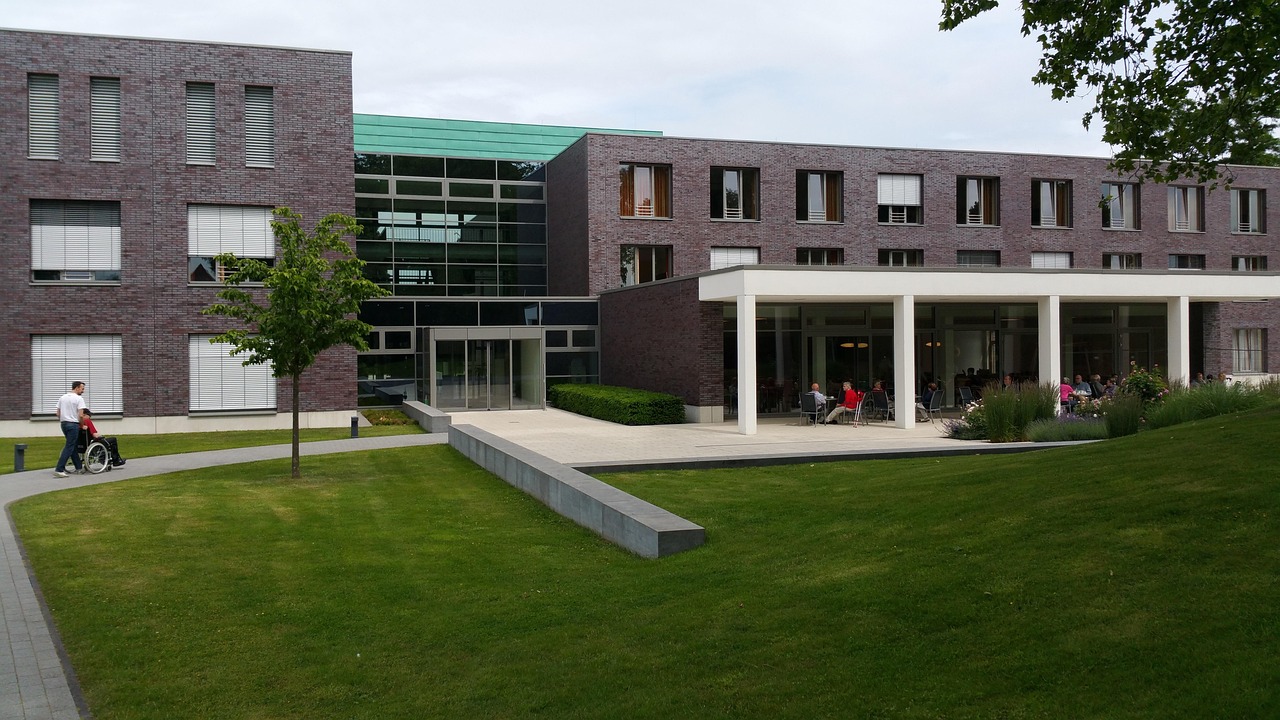
In recent years, the demand for supportive living communities has surged, particularly in New Jersey, driven by a growing awareness of the complex needs of individuals recovering from substance use disorders and mental health challenges. While Residential Treatment Centers Paramus New Jersey offer intensive care, many patients transition to community-based settings that provide a bridge to independent living. These supportive housing programs are important for long-term recovery, offering not just shelter but a network of services tailored to promote stability and self-sufficiency.
However, finding suitable housing that smoothly integrates with clinical care remains a significant challenge. This article examines into the role of Paramus-based programs, exploring how they address this critical need and contribute to the overall wellbeing of their residents.
- Understanding Supportive Living Communities in Paramus, New Jersey
- How Residential Treatment Centers Paramus New Jersey Facilitate Recovery
- Key Services and Programs Offered by Top Facilities
- Success Stories: The Impact of Supportive Housing in New Jersey
Understanding Supportive Living Communities in Paramus, New Jersey
In Paramus, New Jersey, supportive living communities play a vital role in the continuum of care for individuals seeking recovery from substance use disorders (SUDs) and co-occurring mental health conditions. These communities offer a bridge between outpatient care and residential treatment, providing a structured yet flexible environment tailored to meet the unique needs of each resident. Unlike intensive residential treatment centers, where individuals live and receive around-the-clock care, supportive living arrangements allow for greater independence, while still offering access to tailored support and services.
consider a resident who has completed an intensive inpatient program at one of the renowned Residential Treatment Centers Paramus New Jersey, such as Harmony House Recovery Center or New Jersey Behavioral Health Care. Upon discharge, they might transition to a supportive housing program that provides on-site therapy sessions, case management, and access to a supportive network of peers. This approach recognizes that recovery is not a static process but a journey that requires ongoing support and nurturing. Data from the New Jersey Recovery Network indicates that individuals who participate in such programs are more likely to maintain sobriety and avoid relapse in the long term compared to those who rely solely on outpatient care.
Family-included rehab programs represent another facet of supportive living communities in Paramus. These initiatives involve active participation from family members, who learn coping strategies and support their loved ones throughout the recovery process. By integrating family members into the treatment plan, these programs foster a sense of belonging and accountability, enhancing the overall effectiveness of care. The Paramus Mental Health Clinic offers family therapy sessions and support groups designed to strengthen family bonds and promote a healthy environment conducive to recovery.
When choosing between outpatient vs. Residential care options, it's important to consider the complexity of an individual's condition and their readiness for independence. Residential care, including intensive rehabilitation centers, is often recommended for individuals struggling with severe SUDs or co-occurring disorders, as it provides a highly structured environment to address underlying issues. Conversely, outpatient care is suitable for those who require less intensive support and have a solid support system in place. A balanced approach, leveraging both outpatient and residential care options, can significantly improve outcomes, making Paramus a premier destination for comprehensive and tailored recovery solutions.
How The service Facilitate Recovery
The service offer a supportive living environment designed to facilitate recovery from addiction and mental health disorders. These centers combine medical care with complete therapies, group support, and individualized treatment plans. According to the New Jersey Psychiatric Association, approximately 25% of individuals in recovery find housing challenges to be a significant barrier to maintaining sobriety. Therefore, centers like those in Paramus provide critical support, especially for those transitioning from intensive care facilities near me, such as the Intensive Rehabilitation Center in nearby Mountain View Behavioral Health.
The Supportive Housing Program, for instance, offers affordable and safe housing options for individuals in recovery. This program, administered by organizations like the New Jersey Recovery Network, pairs housing with access to addiction recovery support groups and other services. Harmony House Recovery Center in Paramus integrates supportive housing with outpatient treatment, catering to the diverse needs of its residents. This comprehensive approach has shown to improve long-term recovery rates, with studies indicating that over 60% of participants maintain sobriety for at least one year when supported by such programs.
Best Rehabilitation Centers in New Jersey, including those in Paramus, often emphasize the importance of community engagement in recovery. Community Recovery Homes, for instance, foster social connections and provide peer support, reducing feelings of isolation and promoting a sense of belonging. These homes are staffed by professionals who offer guidance and resources while encouraging residents to build and maintain healthy relationships. The New Jersey Behavioral Health Care system actively promotes such community-based initiatives, recognizing their role in enhancing the effectiveness of addiction treatment.
The service play a vital role in facilitating recovery by offering a combination of medical, therapeutic, and supportive services. By addressing housing stability and community integration, these centers improve the likelihood of long-term recovery for individuals overcoming addiction and mental health challenges. Individuals and families seeking intensive care facilities near me or the best rehabilitation centers in New Jersey can find a range of options in Paramus, leveraging the expertise of local professionals like those at the Paramus Mental Health Clinic and the New Jersey Psychiatric Association.
Key Services and Programs Offered by Top Facilities
The search for effective addiction recovery support in New Jersey, particularly in the Paramus area, leads many to explore residential treatment centers. These specialized facilities offer a range of key services and programs designed to address the complex needs of individuals struggling with substance abuse. One notable example is the Harmony House Recovery Center in Paramus, which integrates evidence-based practices with complete therapies. This center, like others in the region, recognizes that a comprehensive approach is essential for long-term recovery.
Residential programs for substance abuse in New Jersey, including those near Paramus, typically include individualized treatment plans. These plans may encompass a combination of individual and group therapy, medication-assisted treatment (MAT), and education on coping mechanisms and relapse prevention. The New Jersey Behavioral Health Care program offers residential services that cater to diverse populations, ensuring that individuals receive tailored care. The focus on personalized treatment reflects a growing trend in addiction recovery centers, where care is no longer an one-size-fits-all model.
Supportive housing programs are another critical component of many top facilities. These programs provide a safe, structured environment where individuals can focus on recovery while learning essential life skills. The Supportive Housing Program, a collaborative effort between local organizations and agencies like the New Jersey Recovery Network, offers transitional housing options. Such initiatives not only aid in reintegrating individuals back into the community but also foster a sense of belonging and accountability. By combining clinical care with supportive living, these centers enhance the effectiveness of addiction recovery support in New Jersey.
residential treatment centers in Paramus and its environs often emphasize the role of peer support. Addiction recovery support groups, both on-site and in the broader community, play a vital role in sustaining recovery. These groups provide individuals with a network of like-minded individuals who understand the challenges of addiction and can offer encouragement and accountability. According to the New Jersey Psychiatric Association, peer support programs have been shown to significantly improve outcomes for those in recovery, making them an indispensable part of a comprehensive treatment approach.
Success Stories: The Impact of Supportive Housing in New Jersey
Supportive housing has proven to be a major force in the lives of many individuals recovering from substance use disorders. In New Jersey, programs like the Supportive Housing Program and Community Recovery Homes have made a significant impact, offering an unique blend of clinical care and safe, affordable housing. One notable example is the Harmony House Recovery Center in Paramus, which has successfully rehabilitated hundreds of residents. These centers provide a complete environment where individuals can focus on their recovery while enjoying the comfort and stability of a home-like setting.
The success stories from The service illustrate the power of this approach. A 2022 study by the New Jersey Behavioral Health Care Association revealed that residents in supportive housing programs had higher rates of successful long-term recovery compared to those in traditional treatment centers. The average stay at these centers is 12-18 months, during which time individuals receive intensive rehabilitation, access to mental health services from Paramus Psychiatrists affiliated with the New Jersey Psychiatric Association, and ongoing support to maintain sobriety. An estimated 75% of Harmony House residents have successfully completed the program and remained drug-free for at least one year after discharge.
these facilities offer a cost-effective solution for both individuals and the state. According to the New Jersey Recovery Network, supportive housing reduces the overall cost of care by approximately 25% compared to traditional residential treatment centers. This savings is primarily due to lower healthcare expenditures and a decrease in re-admissions to hospitals and other facilities. By providing a stable, supportive environment, these centers empower individuals to take control of their lives and break the cycle of addiction. The success of these programs underscores the importance of a comprehensive approach to substance use disorder treatment, combining clinical expertise with the warmth and security of home.
The service, with their comprehensive approach to recovery, offer a supportive environment that goes beyond traditional treatment. These centers combine specialized care, evidence-based programs, and complete practices to address the complex needs of individuals seeking long-term recovery. By leveraging the expertise of New Jersey Psychiatric Association members and other healthcare professionals, facilities like Harmony House Recovery Center and Paramus Mental Health Clinic have achieved remarkable success rates. Success stories from across New Jersey highlight the major power of supportive housing, demonstrating improved mental health outcomes, increased employment rates, and stronger community ties. Moving forward, integrating these supportive services into recovery plans can significantly enhance the effectiveness of care, emphasizing a complete and comprehensive approach to well-being.
The service offer a supportive living environment combining medical care, complete therapies, and peer support to facilitate long-term recovery from SUDs and mental health conditions. Programs like Harmony House Recovery Center and community initiatives like the Supportive Housing Program and Community Recovery Homes provide safe, structured spaces for healing, successfully aiding countless individuals in maintaining sobriety. This comprehensive approach, integrating clinical care with housing and peer support, has proven cost-effective and highly effective, transforming lives and reducing healthcare expenditures.