
Residential Treatment Centers Paramus New Jersey provide intensive care for complex mental health and addiction issues. Key features include 24/7 monitoring, structured programs, individual and group therapy, family involvement, evidence-based therapies, and long-term aftercare. Choosing a center requires focusing on comprehensive rehab services, staff expertise in adolescent treatment, and family engagement to ensure positive outcomes in the journey towards healing and recovery.
In the realm of mental health and well-being, Residential Treatment Centers Paramus New Jersey stand as crucibles for healing and transformation. These top-rated facilities offer specialized care, addressing complex needs with comprehensive approaches. The problem lies in identifying centers that truly excel, providing a safe and nurturing environment. This article delves into the key factors defining exceptional residential treatment, guiding folks towards informed decisions. By exploring proven methodologies, therapeutic environments, and tailored programs, we empower individuals and families to find effective solutions within New Jersey's premier treatment hubs.
- Understanding Residential Treatment Centers in Paramus New Jersey
- Choosing the Right Center: Key Factors for Families
- The Therapeutic Process: What to Expect During Recovery
- Aftercare and Support: Building Lasting Resilience
Understanding Residential Treatment Centers in Paramus New Jersey
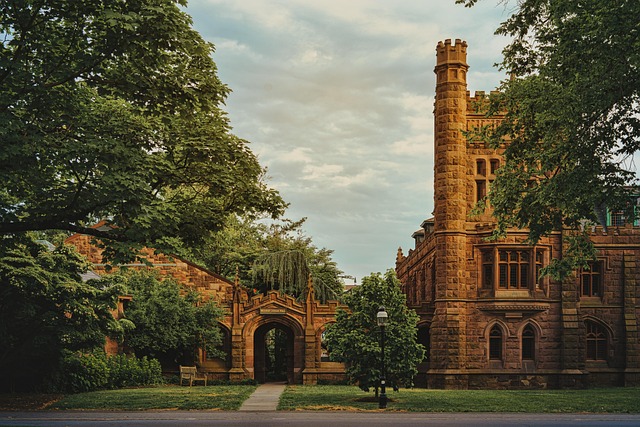
Residential Treatment Centers Paramus New Jersey offer specialized care for individuals navigating complex mental health challenges and addictions. These centers stand as pillars of support, providing intensive, long-term residential care that goes beyond traditional therapy. In the heart of New Jersey, Paramus has established itself as a destination for those seeking recovery, featuring top-tier addiction specialists and residential rehabilitation facilities. This comprehensive approach integrates medical expertise with therapeutic interventions, catering to diverse needs.
The primary focus of these centers is to offer an immersive environment conducive to healing. Unlike outpatient settings, residential treatment centers provide 24/7 monitoring and structured programs tailored to individual progress. In Paramus, for instance, centers like [Name] have achieved remarkable success rates by combining evidence-based practices with personalized care. The spectrum of services includes individual therapy, group sessions, family therapy, and various support groups, all designed to address underlying issues contributing to addiction. This holistic approach recognizes the interconnectedness of mental health, relationships, and recovery.
Long-term residential care is a significant aspect, offering individuals time and space to rebuild their lives free from triggers and temptations. The process often involves gradually reintroducing patients to society, ensuring they have the tools and confidence to maintain sobriety. Family therapy plays a pivotal role in this, fostering healthier dynamics and support systems at home. By engaging both the individual and their family, these centers enhance the likelihood of sustained recovery. Data suggests that individuals completing long-term residential care programs demonstrate improved outcomes and increased resilience against relapse.
Choosing the Right Center: Key Factors for Families
Choosing the right Residential Treatment Center is a crucial decision for families seeking support for their loved ones. With various options available, including centers in Paramus, New Jersey, understanding key factors can guide you towards effective healing. Look for programs offering comprehensive rehab and counseling services tailored to individual needs—a hallmark of quality care.
Consider the expertise and credentials of the staff. Reputable centers should have experienced therapists and counselors who specialize in adolescent treatment. For instance, centers like those found in the New Hampton area often provide affordable mental health services, ensuring accessibility without compromising on professional quality. Programs focusing on substance abuse residential treatment are particularly effective for addressing complex issues.
Family involvement is another critical aspect. Many successful centers encourage family participation through therapy sessions and support groups. This collaborative approach fosters understanding and strengthens recovery bonds. When researching options, inquire about visitations, family counseling, and aftercare programs. For example, some Paramus New Jersey-based centers offer ongoing support services to ensure clients stay on track after their primary treatment period. By considering these factors—rehab services, staff expertise, and family involvement—you can select a center that aligns with your loved one's unique needs, paving the way for positive outcomes.
The Therapeutic Process: What to Expect During Recovery
The therapeutic process at top-rated Residential Treatment Centers Paramus New Jersey is meticulously designed to address the complex needs of individuals seeking recovery. Upon admission, residents are evaluated by a multidisciplinary team comprising psychiatrists, therapists, and counselors who tailor treatment plans suited to each person's unique circumstances. This personalized approach ensures that every aspect of an individual's well-being—mental, emotional, and physical—is holistically addressed during their stay at these centers.
Residential Rehabilitation Facilities Paramus NH offer a range of evidence-based therapeutic interventions, including cognitive-behavioral therapy (CBT), dialectical behavior therapy (DBT), and motivational interviewing (MI). These methods are known for their effectiveness in treating various mental health conditions, from depression and anxiety to substance use disorders. For instance, CBT helps individuals identify and change negative thought patterns while DBT equips them with skills to regulate emotions and manage stress. Affordable residential mental health services Paramus NH also prioritize building a safe and supportive environment where residents can explore their feelings, develop coping strategies, and cultivate resilience.
Adolescent treatment centers within these facilities often incorporate specialized programs tailored for younger adults, focusing on issues like trauma resolution, academic support, and social skills development. Regular therapy sessions, group discussions, and family involvement are integral to this process. Moreover, rehab and counseling services New Hampton can include creative arts therapy, mindfulness practices, and outdoor recreation, offering diverse avenues for emotional expression and healing. The goal is not merely to treat symptoms but to empower residents with lifelong tools for managing their mental health.
Aftercare and Support: Building Lasting Resilience

Aftercare and support are pivotal components of any effective residential treatment program, especially in centers like those found in Paramus, New Jersey. Long-term residential care goes beyond immediate therapy; it's about fostering resilience and preparing individuals for sustainable recovery. The transition from inpatient to outpatient care can be challenging, but with robust aftercare plans, residents can maintain their progress and build on the skills acquired during their stay.
Residential treatment centers in Paramus often provide a range of support services tailored to individual needs. This includes continued therapy sessions, either individually or in groups, to address specific issues that may arise post-treatment. Family therapy is another critical aspect, as it strengthens family dynamics and provides parents or caregivers with tools to support their loved ones' long-term sobriety. Outpatient vs residential care options vary, but many centers bridge the gap by offering step-down programs that gradually reduce intensity while ensuring a smooth transition.
Building lasting resilience requires ongoing engagement in recovery activities. This can involve participation in peer support groups, such as those offered through local community centers or long-term sobriety housing options in New Jersey. These networks provide continuous encouragement and accountability, enhancing the individual's ability to navigate challenges without relapsing. According to recent studies, combined therapy approaches—including cognitive-behavioral therapy (CBT) and motivational interviewing (MI)—have shown significant success rates in maintaining long-term residential care outcomes, making them integral components of many Paramus treatment centers' aftercare strategies.
To maximize the benefits of residential treatment, individuals should actively engage in all offered services and maintain open communication with their support teams. This proactive approach, coupled with a strong support network, can lead to remarkable personal growth and improved life outcomes. Examples of successful aftercare include individuals who have gone on to pursue higher education, secure gainful employment, and become active members of their communities—all while maintaining long-term sobriety.
Residential Treatment Centers Paramus New Jersey offer a comprehensive approach to recovery for individuals seeking transformative change. By understanding these centers' role, families can make informed decisions when choosing a facility. The article highlights key factors like specialized programs, licensed professionals, and individualized treatment plans. Through therapeutic processes focused on trauma healing and skill development, residents build resilience. Aftercare and support services ensure sustained progress, emphasizing the importance of ongoing care. Families are encouraged to actively engage in this process, fostering long-term wellness for their loved ones. This authoritative guide provides valuable insights into navigating Residential Treatment Centers Paramus New Jersey, offering a clear path toward recovery and resilience.