
Residential Treatment Centers Paramus New Jersey offer short-term intensive care for mental health crises, addressing conditions like depression, anxiety, and trauma. With 24/7 monitoring, multidisciplinary teams, and evidence-based therapies, these centers achieve symptom improvement and successful transitions to outpatient care. Key aspects include staff credentials, program structure, family involvement, and integrated care models leveraging technology for improved patient outcomes.
In the realm of healthcare, Short-Term Intensive Care (STIC) plays a vital role in managing critical illnesses or injuries. As Residential Treatment Centers Paramus New Jersey attest, effective STIC can significantly improve patient outcomes, offering focused and intensive support during a crucial period. However, the challenge lies in optimizing resources to provide high-quality care efficiently. This article delves into the intricacies of STIC, exploring innovative strategies and best practices that residential treatment centers employ to deliver exceptional short-term care, ensuring positive patient experiences and outcomes.
- Understanding Short-Term Intensive Care: A Comprehensive Guide
- Residential Treatment Centers: Paramus New Jersey's Role in Critical Care
- Evaluating Patients: Criteria for Intensity and Duration of Care
- The Clinical Framework: Strategies for Short-Term Intensive Therapy
- Family Involvement: Supporting Recovery Beyond Residential Treatment Centers
- Future Trends: Innovations Shaping Short-Term Intensive Care Practices
Understanding Short-Term Intensive Care: A Comprehensive Guide
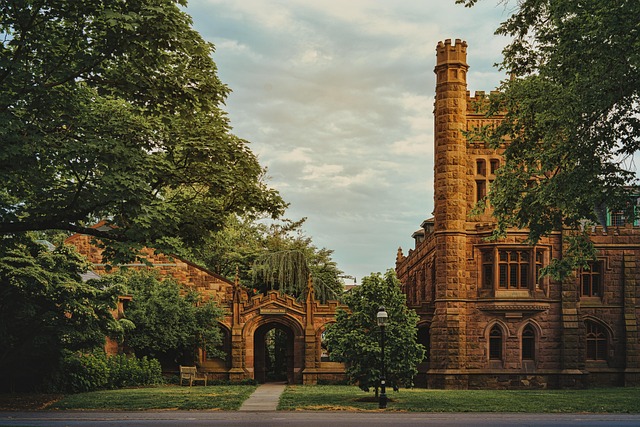
Short-term intensive care, often referred to as inpatient mental health treatment, plays a pivotal role in providing immediate and focused support for individuals facing acute psychological crises. This comprehensive guide aims to shed light on this critical aspect of mental healthcare, focusing specifically on residential treatment centers like those found in Paramus, New Jersey. By understanding the dynamics of short-term intensive care, individuals seeking support can make informed decisions about their well-being and navigate resources effectively, such as finding intensive care facilities near them or exploring rehab and counseling services in nearby areas like the New Hampton region.
The primary objective of short-term intensive care is to stabilize patients within a controlled environment, offering a range of specialized services tailored to their unique needs. These centers typically provide 24/7 monitoring, ensuring constant supervision and prompt intervention during crises. Staffed by multidisciplinary teams comprising psychiatrists, psychologists, social workers, and nurses, these residential facilities offer a holistic approach to treatment. For instance, patients may engage in individual therapy sessions, group counseling, family interventions, and various therapeutic activities designed to address underlying mental health issues, such as depression, anxiety disorders, or trauma-related conditions.
Data from recent studies underscores the effectiveness of short-term intensive care programs. Research indicates that a significant majority of patients who complete these treatments experience improved symptoms and enhanced overall functioning upon discharge. Additionally, many individuals successfully transition to outpatient care or other long-term support systems, ensuring continued recovery and well-being. When choosing a residential treatment center, such as those available in Paramus or exploring rehab options in New Hampton, it is crucial to consider factors like staff credentials, program structure, and individual therapeutic approaches to ensure the best possible outcome for the patient's journey towards mental health stability.
Residential Treatment Centers: Paramus New Jersey's Role in Critical Care

Residential Treatment Centers in Paramus, New Jersey, play a pivotal role in providing short-term intensive care for individuals facing critical health challenges, particularly those struggling with addiction and mental health disorders. These centers offer comprehensive rehab and counseling services tailored to meet the unique needs of each patient. For instance, New Jersey's bustling urban areas like Paramus host several recovery houses that cater to students from nearby universities, ensuring accessibility for young adults seeking help.
Paramus serves as a hub for top-tier residential treatment, leveraging its strategic location to connect individuals in need with specialized care. The availability of Narcotics Anonymous meetings in the area further strengthens the support system, fostering community and accountability during and after rehabilitation. With a focus on intensive care, these centers provide an immersive environment where patients can dedicate themselves fully to recovery, benefiting from around-the-clock monitoring and evidence-based therapeutic interventions.
Data suggests that short-term intensive care in residential settings significantly enhances long-term recovery rates. Experts emphasize the value of combining medical supervision, counseling services, and peer support, which are all readily available through centers like those found in Paramus and the New Hampton area. By offering a structured and nurturing environment, these facilities enable individuals to address underlying issues, develop coping mechanisms, and regain control over their lives. As such, they serve as essential components of the overall healthcare ecosystem, playing a vital role in nurturing resilience and promoting lasting recovery.
Evaluating Patients: Criteria for Intensity and Duration of Care

Short-term intensive care, particularly within residential treatment centers like those found in Paramus, New Jersey, involves a meticulous process of evaluating patients to determine the intensity and duration of care required. These centers, known for their comprehensive rehabilitation programs, such as those offered by the best rehab centers in New Jersey, serve individuals struggling with substance use disorders. The criteria for intensifying care are multifaceted, drawing from medical assessment, psychological evaluations, and social considerations.
For instance, patients at residential treatment facilities may be referred directly from narcotics anonymous meetings in Paramus or through emergency departments after a substance-related overdose. Upon admission, comprehensive assessments help identify the level of acute intoxication, underlying mental health conditions, history of trauma, and past experiences with addiction. Data suggests that early identification of these factors is crucial for successful long-term recovery.
The intensity of care can range from close monitoring in an intensive care unit (ICU) to a step-down program where patients transition between levels of care based on their progress. Duration varies depending on individual needs, typically ranging from several weeks up to a few months. Residential programs for substance abuse in New Jersey have shown significant success rates when tailored to the specific needs of each patient. This personalized approach ensures that treatment is not only effective but also sustainable, preparing individuals to reintegrate into society with enhanced coping mechanisms and support networks.
The Clinical Framework: Strategies for Short-Term Intensive Therapy

Short-term intensive care, often delivered at residential treatment centers like those found in Paramus, New Jersey, offers a critical support system for individuals facing acute mental health challenges. This focused approach, typically lasting from several weeks to a month, is designed to rapidly stabilize patients and initiate recovery paths. In this context, Residential Treatment Centers Paramus New Jersey serve as hubs where comprehensive strategies, tailored to each individual's needs, are implemented under the guidance of expert therapists and caregivers.
The clinical framework for short-term intensive therapy involves a multi-faceted strategy that combines medical supervision, psychotherapy, group therapy sessions, and family-included rehab programs. For instance, dual diagnosis treatment centers in areas like the New Hampshire North Country offer targeted interventions for individuals grappling with both mental health disorders and substance abuse. Inpatient rehabilitation centers in Northern NH prioritize holistic care, addressing not just the primary diagnosis but also underlying issues that may have contributed to the patient's descent into crisis. This integrated approach is particularly effective, as data suggests that patients who participate in such programs tend to experience more significant improvements and higher rates of successful recovery.
Family involvement is another cornerstone of this therapy model. Family-included rehab programs recognize that support systems play a pivotal role in long-term recovery. By engaging family members in the process, these programs foster understanding, strengthen communication, and create an environment conducive to sustained healing. Residential centers in New Jersey, for example, may organize workshops or counseling sessions aimed at equipping families with the tools needed to assist their loved ones through the challenges of mental health treatment and beyond. This collaborative approach not only enhances patient outcomes but also cultivates a supportive network that ensures the individual's well-being even after formal treatment concludes.
Family Involvement: Supporting Recovery Beyond Residential Treatment Centers
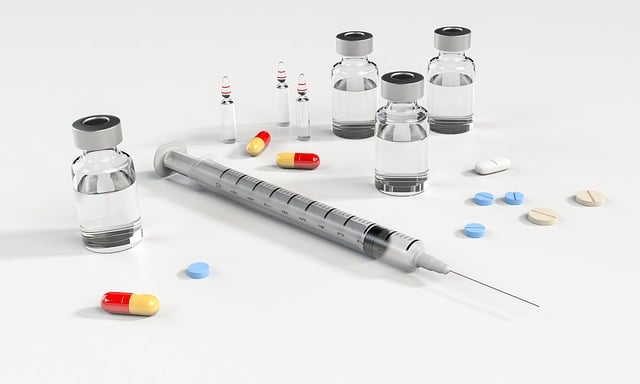
Family involvement plays a pivotal role in the recovery process of individuals undergoing short-term intensive care, particularly when transitioning from residential treatment centers like those found in Paramus, New Jersey. These centers, specializing in inpatient mental health treatment and residential programs for substance abuse, offer comprehensive care that extends beyond initial residency. Effective family support can significantly enhance long-term outcomes for adolescents and young adults navigating challenging mental health or addiction issues.
In the context of affordable residential mental health services in Paramus, New Jersey, engaging families in the healing process involves various strategies. Expert professionals at these treatment centers encourage open communication to ensure a strong support system at home. This includes educating family members about the specific challenges their loved one faces, such as depression, anxiety, or substance abuse, and empowering them with coping mechanisms tailored to these issues. Family therapy sessions can also foster understanding and strengthen bonds, creating a nurturing environment conducive to recovery.
Transitioning from residential treatment requires a well-planned strategy that integrates family involvement. Adolescent treatment centers in Paramus, New Jersey, may offer aftercare programs designed to bridge the gap between intensive care and returning home. These programs provide ongoing support, often involving regular check-ins, group therapy sessions, and access to resources for both the individual in recovery and their families. By fostering a sense of community and continued engagement, these residential programs aim to prevent relapse and promote sustainable healing. Data suggests that individuals with strong family support networks during and after treatment are more likely to maintain stability and avoid setbacks.
Future Trends: Innovations Shaping Short-Term Intensive Care Practices

The future of short-term intensive care is being reshaped by a wave of innovative practices, driven largely by advancements in technology and an evolving understanding of complex conditions. Residential Treatment Centers Paramus New Jersey, for instance, have embraced digital solutions to enhance patient monitoring and communication with families. Telehealth consultations, wearable health devices, and remote monitoring systems allow for more proactive management of acute conditions, enabling quicker interventions and improved outcomes.
Another prominent trend is the integration of mental health retreats in the White Mountains and inpatient rehabilitation centers in Northern NH into short-term intensive care models. This holistic approach recognizes the growing need to address both physical and psychological aspects of recovery simultaneously. Centers like those found in New Jersey's Paramus are incorporating evidence-based therapeutic practices, mindfulness techniques, and stress management strategies into their programs, leading to more comprehensive and effective treatment for a wide range of conditions, including addiction.
Data suggests that this shift towards integrated care is gaining traction. A recent study by the National Institute of Health found that patients receiving combined physical and mental health treatments in inpatient settings had significantly lower readmission rates within 30 days compared to those who received separate services. As a result, more residential treatment centers are adapting their practices to meet these evolving needs, offering specialized programs tailored to conditions such as co-occurring disorders and dual diagnoses.
To stay ahead of the curve, healthcare providers should focus on continuous quality improvement and staff training in emerging technologies and therapeutic modalities. They should also foster partnerships with community resources, such as addiction specialists in Paramus, to ensure a seamless transition from intensive care back into the community. By embracing these trends, residential treatment centers can provide more personalized, effective, and compassionate care, ultimately improving patient outcomes and enhancing the overall well-being of those they serve.
This article offers a comprehensive insight into short-term intensive care (STIC), highlighting its critical role in patient recovery, especially within Residential Treatment Centers Paramus New Jersey. Key takeaways include the importance of evaluating patients' needs based on intensity and duration of care criteria, effective clinical frameworks for STIC therapy, and the irreplaceable contribution of family involvement in recovery processes. The article also emphasizes the evolving landscape of STIC with emerging trends and innovations. By understanding these aspects, healthcare professionals can optimize patient outcomes, particularly those within residential treatment settings, ensuring a holistic approach to short-term intensive care that prepares individuals for lasting recovery.